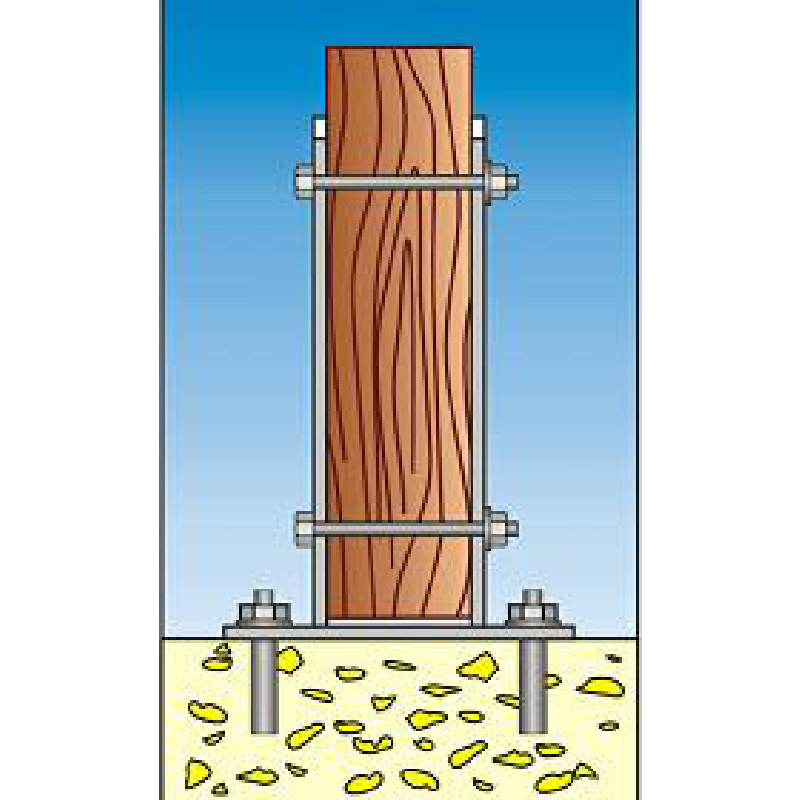
Picture this: you've invested time and money building a beautiful new fence, a sturdy deck, or a charming pergola. Months later, you notice it's wobbling. The posts are leaning, wood is rotting at ground level. Frustrating, right? This common disaster often boils down to one overlooked hero: the post anchor. But what exactly is a post anchor, and why is ground spikes its crucial partner? Let's break it down, ditch the jargon, and ensure your next project stands the test of time. What is a Post Anchor? (It's Not Just a Bracket!) Think of a post anchor as the vital connection point, the unsung intermediary between your structural post (wood, metal, composite) and the foundation (usually concrete or directly into the earth). Its core mission is threefold: 1. Elevate & Protect: It lifts the post base above ground level, preventing direct soil contact – the primary cause of rot, insect damage, and premature failure in wooden posts. 2. Secure Attachment: It provides a robust, fixed point to fasten the post firmly, preventing uplift from wind, lateral movement, or shifting soil. 3. Simplify Installation & Adjustment: Many designs allow for easier levelling and alignment during setup compared to embedding the post directly in concrete. Enter the Ground Spike: The Anchor's Anchor This is where ground spikes (or metal ground spikes) become essential. A ground spike is a sturdy, typically galvanized steel spike designed to be driven deep into the ground. It acts as the foundation for many types of post anchors. How Post Anchors & Ground Spikes Work Together: The Winning Combo The magic happens when you pair them: 1. Drive the Spike: The metal ground spike is hammered vertically into the ground until it's secure and at the desired height (often leaving several inches exposed). 2. Attach the Anchor: A compatible post anchor is then securely fastened onto the top of the exposed ground spike. This anchor has a socket or bracket designed specifically to hold your post. 3. Install the Post: Your post (4x4, 6x6, round metal, etc.) is inserted into the anchor's bracket and fastened tightly with bolts, screws, or pins. Why Choose Ground Spike Post Anchors? The Compelling Benefits Unmatched Rot Protection: This is the BIG one. By keeping wood posts completely clear of soil and moisture, you dramatically extend their lifespan, often by decades. Say goodbye to replacing rotten posts every few years! Faster, Cleaner Installation: Forget messy concrete mixing, digging deep holes, and waiting days for it to cure. Driving ground spikes is relatively quick and requires minimal excavation (often just a pilot hole). You can often install posts immediately after the spike and anchor are set. Simplified Levelling & Alignment: Many post anchors offer some adjustability once mounted on the spike, making it easier to get all your posts perfectly level and in line after the spikes are driven. No more frantic adjustments while the concrete sets! Concrete-Free Solution: Ideal for areas where digging deep or pouring concrete is impractical, restricted, or undesirable (e.g., rocky soil, near utilities, temporary structures, eco-conscious builds). Removable & Replaceable: Need to replace a single post? Unbolt it from the anchor, which remains securely fixed to the ground spike below. No jackhammering out old concrete! Versatility: Excellent for fences, decks (especially freestanding or floating designs), pergolas, signage, light posts, mailbox posts, play equipment, and temporary structures. Ground Spike Post Anchors vs. Other Methods: Cutting Through the Confusion Direct Burial: Posts rot faster. Shifting soil compromises stability. Requires massive holes for adequate support. Ground spikes offer superior protection and easier installation. Concrete in Ground: Better than direct burial, but wood at the concrete interface is still vulnerable to moisture wicking and rot ("concrete cancer"). Removal is a nightmare. Ground spikes eliminate ground contact entirely. Surface Mount Anchors (to Concrete Slab): Great for attaching posts to existing concrete, but not a solution for installing posts into the earth. Ground spikes are specifically for earth installation. Choosing the Right Ground Spike & Post Anchor: Key Considerations Not all ground spikes for posts are created equal. Make an informed choice: Post Size & Load: Match the anchor and spike to the dimensions (e.g., 4x4, 6x6) and weight/stress of your post. Heavier structures (large gates, tall fences in windy areas, decks) need heavier-duty metal ground spikes and anchors. Check manufacturer load ratings. Spike Length & Gauge: Longer and thicker spikes (14-gauge steel is common for heavy-duty) provide greater stability, especially in softer soils. 24"-36" is typical for fence posts; decks/pergolas often need 30" or more. Material & Coating: Hot-dipped galvanized steel is the absolute minimum for corrosion resistance. Look for superior coatings like powder coating or ZMAX (zinc-magnesium) for maximum longevity, especially in coastal or high-moisture areas. Avoid cheap, thin, poorly coated spikes. Anchor Type: Common types include: Adjustable Post Bases: Allow for levelling after spike installation. Great for decks. U-Shaped Brackets: Simple, cost-effective for fences. Post slides in and is bolted. Round Post Sockets: For metal or composite round posts. Face-Fix Anchors: Posts attach to the side of the anchor/spike assembly. Good for tight spaces or specific aesthetics. Soil Conditions: Very hard, rocky soil might require pilot holes or specialized driving equipment. Very sandy or loose soil demands longer/heavier ground spikes and potentially wider anchor bases for stability. Consider soil anchors or concrete if spikes alone won't suffice in extreme conditions. Installation Essentials: Getting it Right with Ground Spikes Plan & Mark: Precisely mark post locations. Pilot Hole (Optional but Recommended): Especially in hard soil, drill a pilot hole slightly narrower than the spike diameter to guide it and make driving easier. Depth should be slightly less than the spike's intended depth. Drive the Spike: Use a heavy maul or sledgehammer. Drive the ground spike vertically, checking plumb frequently. Crucially, stop driving when the spike is firm and the top is at the correct height for the anchor. Over-driving can damage the spike threads or distort the top. Use a drive cap to protect the spike head. Attach the Anchor: Secure the post anchor firmly to the top of the spike using the provided bolts or pins. Ensure it's tight and level if possible. Set & Secure the Post: Insert the post into the anchor bracket. Use a spirit level to plumb the post perfectly in both directions. Secure the post to the anchor tightly with the recommended fasteners (usually through-bolts or heavy-duty structural screws). Double-check alignment. Common Mistakes to Avoid: Under-Specifying: Using flimsy spikes or anchors for a heavy load. It will fail. Poor Driving: Driving the spike crookedly or damaging the top threads. Take your time. Insufficient Depth: Not driving the ground spike deep enough for stability. Follow depth recommendations. Ignoring Soil Type: Not adapting spike length or installation method for soft/hard ground. Loose Connections: Failing to tighten bolts/nuts sufficiently on the anchor-to-spike and post-to-anchor connections. Re-tighten after a few weeks if needed. Skipping the Ground Clearance: Allowing soil or mulch to pile up against the post base, defeating the rot protection. Conclusion: Elevate Your Project with Ground Spike Post Anchors Understanding "what is a post anchor" reveals a fundamental shift in how we build lasting outdoor structures. Ground spikes for posts aren't just an alternative to concrete; they represent a smarter, more durable approach. By combining robust metal ground spikes with the right post anchor, you achieve critical elevation, unparalleled rot protection, faster installation, and long-term stability. Whether you're a seasoned contractor or a passionate DIYer, embracing this technology means building structures that look great today and stand strong for decades, saving you time, money, and frustration down the line. Ditch the rot, embrace the spike, and build with confidence! Before purchasing, always consult the manufacturer's specifications for your specific project needs and local building codes.